News in Brief Lessons From the BP Oil Spill: A Reading List Democrats are asking a government watchdog to investigate how prepared the U.S. would be for another major oil spill. Maxine Speier
Footnotes From the Archives News in Brief An Oil Company Is Being Fined More Than $3 Million for the 2015 Santa Barbara Oil Spill Plains All American, the company responsible for the spill, said the fine would not damage the $17 billion company's bottom line. Leah Dunlevy
Environment Are American Oil Platforms Prepared for Underwater Avalanches? Instead of one damaged wellhead, a mudslide would leave a tangled mess of pipes buried under a giant mass of sediments. Ian MacDonald
Environment News in Brief How the 2015 Santa Barbara Oil Spill Changed California Besides the criminal trial that wrapped up on Friday, the state responded with increased regulation and opposition to new drilling. Francie Diep
Environment We’re Getting Better at Saving Seabirds After Oil Spills A new study of brown pelicans after the Refugio oil spill in California shows how far oil rehabilitation techniques have come in the last few decades. Francie Diep
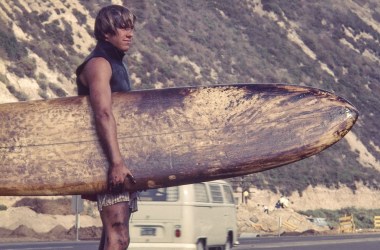
Audio Premium The Edit The Edit, Episode #4: A Conversation About the 1969 Santa Barbara Oil Spill That Sparked an Environmental Revolution On the latest episode of Pacific Standard's podcast about how our stories are made, staff writer Kate Wheeling and digital director Max Ufberg sit down with KCRW's Jonathan Bastian. Pacific Standard Staff
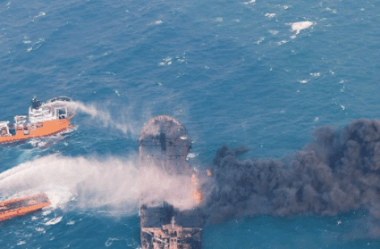
Environment New Oil Slicks Reported at Site of Oil Tanker Collision in East China Sea The Sanchi oil tanker is estimated to have been carrying 8,450 barrels of bunker fuel at the time of its collision. Chinelo Nkechi Ikem
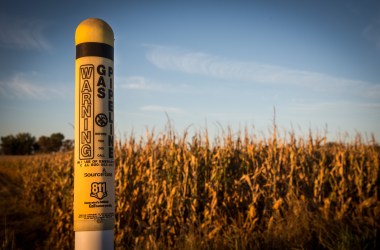
Environment Nebraska Regulators Cannot Consider Pipeline Leaks While Approving Keystone XL A 2011 Nebraska law prevents the state's Public Service Commission from factoring pipeline safety and leaks into its decision. Emily Moon
Environment After the Latest Leak in South Dakota, How Safe Are America’s Pipelines? The country's 70,000 miles of crude oil pipelines leak quite often. Emily Moon
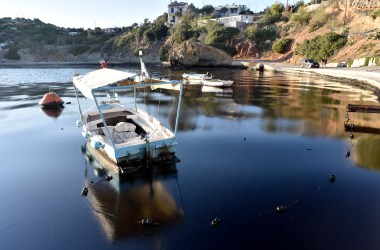
News in Brief Viewfinder: A Crude Oil Spill Covers the Greek Bay A boat floats on polluted water on the coast of Salamis Island on September 13th, 2017, in Salamis, Greece. Pacific Standard Staff